Vape Culture: Examining the Emergence of Vaping in Contemporary Society
Vaping culture has become a significant trend within younger generations, motivated by the search for better alternatives and an array of flavor selections. Social media accelerates this movement, presenting vaping as a socially acceptable choice. However, the health implications remain contentious, raising questions about safety. As vape retailers develop into neighborhood meeting points, the dynamics of this lifestyle continue to shift. What does the future hold for this expanding trend?
What Is Driving People to Switch to Vaping?
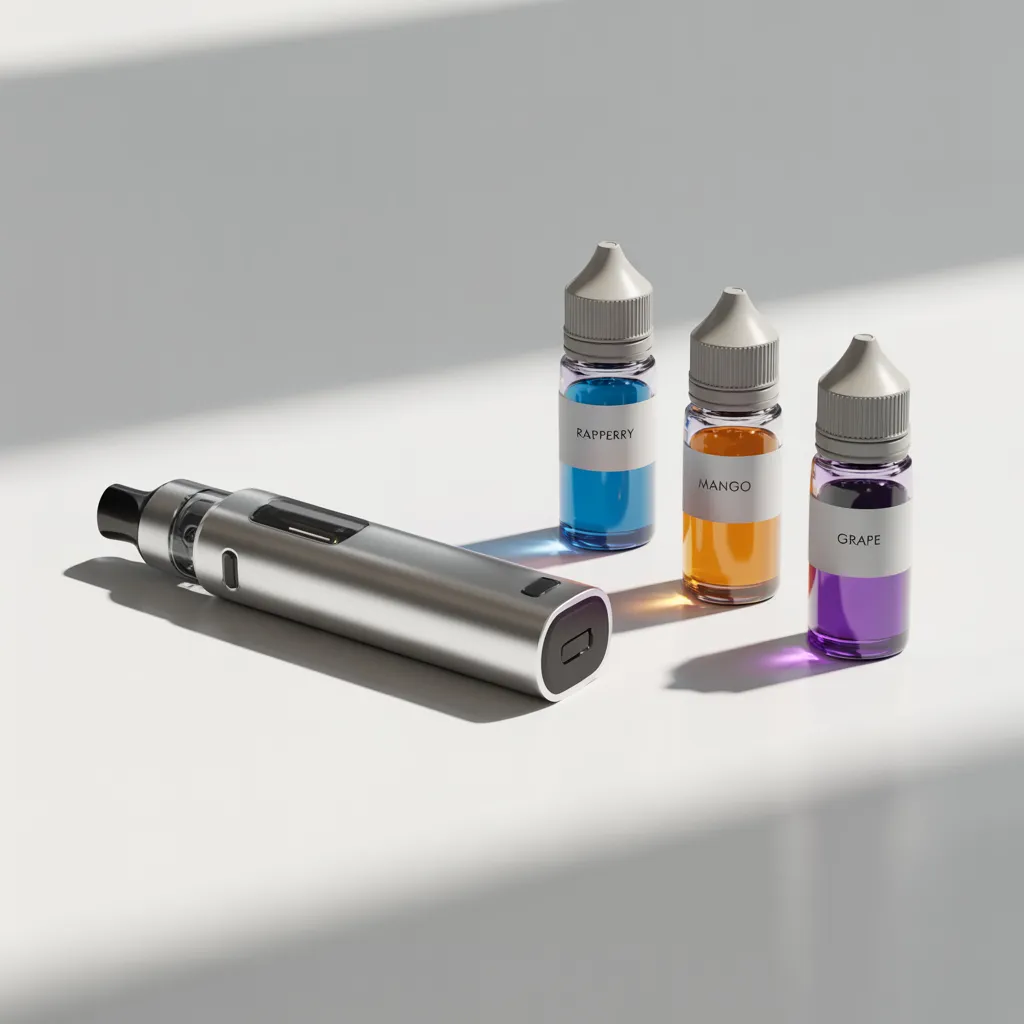
As knowledge of the health hazards connected to traditional cigarette use expands, many individuals are opting for vaping as a perceived safer alternative. This change is motivated by a variety of influences, such as the attractiveness of diverse flavors and adjustable features that vaping products offer. Numerous users value the wide range of flavors, spanning from fruity to dessert-themed options, which make the experience far more pleasant than traditional tobacco. Furthermore, vaping is frequently regarded as a more socially welcomed activity, especially among younger age groups. The innovation within vaping devices additionally enables a degree of management over nicotine consumption, attracting individuals seeking to lower their intake steadily. Moreover, the perception that vaping is less intrusive and has fewer lingering odors than smoking contributes to its rising popularity. As a result, a diverse range of individuals, from former smokers to those new to nicotine, are increasingly making the switch to vaping.
Is Vaping Actually Safe? The Wellness Debate?
How does vaping measure up against conventional smoking in terms of safety? This topic has generated significant discussion among medical experts and everyday people. Even though vaping is commonly presented as a less harmful substitute for smoking, the actual situation is considerably more complicated. Vaping devices usually include a smaller number of toxic chemicals compared to regular cigarettes, theoretically diminishing some associated health dangers. Despite this, vaping remains a source of hazardous compounds entering the body, among them nicotine, which carries risks of addiction and potential cardiovascular concerns.
Recent studies have highlighted concerns about the lasting impacts of inhaling aerosolized substances, particularly since numerous components found in e-liquids have not been thoroughly studied. Additionally, incidents of lung injuries associated with vaping have been reported, further contributing to the doubt regarding its safety. At the end of the day, while vaping may present fewer risks than smoking, it is not devoid of potential hazards, demanding thoughtful evaluation from both users and policymakers.
Who's Joining the Vaping Trend?
What types of people are attracted to vaping? A broad spectrum of individuals is drawn to vaping, across different age groups and lifestyles. People in their youth, notably those ranging from their late teens to early twenties, often seek alternatives to traditional smoking, considering vaping a contemporary lifestyle decision. A significant number are influenced by the belief that vaping poses fewer health risks while providing a personalized experience with diverse flavors and nicotine strengths.
Furthermore, former smokers shifting to vaping represent a significant demographic. Many consider it a method to decrease nicotine use while still partaking in the act of inhaling. A sense of curiosity also compels many people, as the social aspects of vaping attract those looking to connect with peers or explore new experiences. The trend's accessibility, combined with its perceived novelty, continues to draw a broad spectrum of participants into the world of vaping.
How Social Media Shapes Vape Culture
In what way does social media impact the vaping community? Social media platforms have become pivotal in promoting and normalizing vaping among various demographics. By sharing visually compelling content, influencers present vaping as a lifestyle decision, frequently highlighting its visual appeal and communal dimensions. Vaping-related hashtags and online challenges foster a sense of belonging, motivating users to exchange their experiences and personal preferences. Additionally, platforms like Instagram and TikTok allow users to produce and disseminate tutorials, vape tricks, and product reviews, enhancing the visibility of vaping products and brands.
This ongoing engagement creates an environment where vaping is not just a practice but a means of individual expression. The widespread reach of social media accelerates tendencies, leading to quick transformations in consumer preferences. Therefore, social media serves as a double-edged sword, both increasing visibility of vaping and possibly romanticizing the practice, particularly among younger demographics.
How Vaping Impacts Lifestyle Decisions
Vaping has become a significant factor in shaping contemporary lifestyle choices, influencing everything from social interactions to personal identity. For numerous individuals, vaping functions as a social bridge, encouraging bonds in both informal and formal contexts. The act of vaping often creates a shared experience among users, fostering community bonds and establishing norms around social gatherings.
Furthermore, vaping has reshaped personal identity for some people, setting them apart from traditional smokers or non-smokers. The selection of flavors, devices, and brands permits users to display their unique tastes, fostering a sense of personal identity.
Moreover, wellness perspectives regarding vaping have inspired changes in lifestyle; some users see it as a healthier option compared to smoking, while others embed it within fitness-oriented narratives. When all is considered, vaping shapes behaviors connected to social engagement, identity expression, and wellness, illustrating its profound impact on today's lifestyle choices.
Vape Shops: Social Centers for Vaping Fans
As vaping culture continues to evolve, vape shops have become essential gathering places for vaping enthusiasts. These establishments serve as gathering places where people can bond over their shared interest in vaping. Beyond merely selling products, vape shops regularly hold community events, such as tastings and workshops, cultivating a sense of community among customers.
The experienced staff consistently share useful knowledge into the latest devices and e-liquids, enhancing the overall vaping experience. This individualized service strengthens trust and dedication within the community. Additionally, vape shops often create welcoming environments, encouraging social interactions among customers, which can lead to friendships and support networks.
With vaping steadily increasing in popularity, these shops serve a vital role in shaping a culture centered around exploration and education. By emphasizing community participation, vape shops not only enhance personal experiences but also assist in creating a thriving, interconnected vaping community.
The Future of Vape Culture
In what ways will vape culture transform as technology and social perspectives change? With the progression of vaping technology, developments like smart devices and personalized options are expected to appeal to a broader demographic. Enhanced user interfaces and app integrations may facilitate personalized experiences, allowing consumers to track usage and flavor preferences. Additionally, the growing emphasis on health and wellness could reshape perceptions, leading to more acceptance of vaping as explore article a less harmful alternative to smoking.
Regulatory developments will further shape the landscape as regulatory bodies enforce stronger guidelines, manufacturers may focus on transparency and quality, cultivating a more conscientious sector. Public perceptions could keep evolving, with vaping becoming more integrated into mainstream culture, akin to the rise of boutique beverages or gourmet coffee. At its core, the path forward for vape culture will be characterized by a blend of technological innovation, regulatory oversight, and evolving public perceptions, forging a unique presence in modern culture.
Questions We Often Receive
What Flavors Are Most Popular Among Vapers Today?
Fruit flavors, especially watermelon, mango, and berry, currently dominate the vaping market. Indulgent dessert flavors, such as vanilla custard and rich chocolate, also enjoy popularity, attracting vapers who seek sweet and indulgent options.
What Are the Average Monthly Expenses for Vaping?
Monthly vaping costs typically range from $30 to $100, depending on consumption patterns, device selection, and e-liquid options. Consistent users might notice significant cost variations based on individual habits and usage levels.
Do Age Restrictions Apply When Buying Vape Products?
There are indeed age restrictions for buying vape products. In many regions, individuals must be at least 18 or 21 years old, according to local legislation, to lawfully purchase vaping devices and associated products.
Can Vaping Help People Quit Smoking Entirely?
Vaping might support some users in completely giving up smoking by providing a less harmful alternative. That said, not everyone experiences the same benefits, and continued use of vaping can sustain nicotine reliance in certain individuals.
What Are the Most Common Misconceptions About Vaping?
Widespread misunderstandings about vaping encompass the beliefs that it is completely safe, that it lacks any harmful ingredients, and that it is solely a gateway to smoking. These false beliefs may shape attitudes and actions related to vaping.